


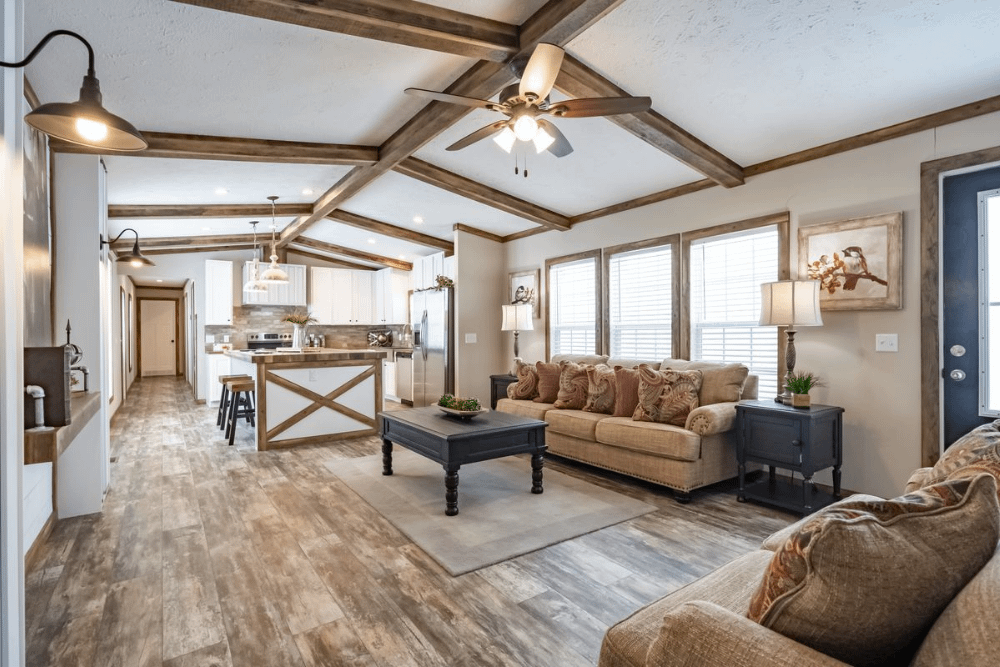
If you have never purchased a mobile home before, you may want to know some of the basics of mobile home insurance.
Mobile home insurance (or manufactured home insurance) is similar to standard homeowners insurance because it provides financial protection if your home is damaged. Although it is not required by law, mortgage companies may want proof of insurance before giving you a loan.
Whether you are purchasing your mobile home with cash, or getting a loan, you need to know the basics of mobile home insurance so you can make an informed decision. Let’s get started!
Why Manufactured Home Insurance Matters More Than You Think
Let’s be direct: skipping insurance to save a few hundred dollars a month is one of the riskiest financial decisions you can make as a homeowner. Here’s why.
Lender Requirements Drive Most Coverage Decisions
If you’re financing your manufactured home, your lender will almost certainly require insurance as a condition of your loan. This isn’t arbitrary—it’s protection for their investment. The lender needs assurance that if something happens to the home, their collateral is covered. Whether you’re pursuing a chattel loan, conventional mortgage, or government-backed financing like FHA or VA, expect insurance to be part of the package.
Cash Buyers Face the Biggest Risk
If you’ve paid cash for your home or paid off your mortgage completely, you might be tempted to drop coverage. Don’t. You are now your own lender, and you’re bearing 100% of the risk. A fire, tornado, or major storm could destroy your home overnight, leaving you with nothing but a vacant lot and a pile of debt. In hurricane-prone areas of Texas—think coastal regions from Corpus Christi to Galveston—this risk multiplies exponentially.
What Manufactured Home Insurance Actually Covers
The following are the primary coverages provided by mobile home insurance:
Dwelling Coverage
Dwelling coverage is the foundation of your policy. It pays to repair or rebuild your home if it’s damaged by covered perils—fire, windstorms, hail, lightning, or vandalism. This includes permanently attached structures like decks, porches, and awnings.
One critical detail: your coverage limit should reflect the cost to rebuild your home at today’s prices, not what you originally paid for it. Construction costs fluctuate, and you want enough coverage to fully replace your home without coming out of pocket.
Other Structures Coverage
Do you have a detached garage, storage shed, or fence on your property? Other structures coverage protects these separate buildings. Most policies automatically include this as a percentage of your dwelling coverage—typically 10% to 20%—but you can adjust it based on the value of your outbuildings.
Personal Property Coverage
Your furniture, electronics, clothing, appliances—everything inside your home—is covered under personal property protection. This applies whether items are damaged in your home or stolen. Keep in mind that filing a claim means paying your deductible first, so minor losses may not be worth claiming.
For high-value items like jewelry, art, or collectibles, consider adding a rider or floater to your policy. Standard coverage often caps these items at $1,000 to $2,000.
Liability Protection
Liability coverage is your financial shield if someone is injured on your property and decides to sue. If a guest slips on your porch, a tree falls on a neighbor’s car, or a child is hurt in your yard, liability coverage pays for legal fees and damages up to your policy limit.
Most policies start at $100,000 in liability coverage, but consider increasing it to $300,000 or $500,000. The cost difference is minimal, and the protection is substantial.
Loss of Use Coverage
Also called “additional living expenses,” this coverage pays for hotel stays, meals, and other costs above your normal living expenses if your home becomes uninhabitable due to a covered event. If a fire forces you out for three months while repairs are completed, loss of use coverage ensures you’re not paying for both temporary housing and your mortgage simultaneously.
What’s NOT Covered
Understanding what your policy excludes is just as important as knowing what it covers. These gaps can leave you financially exposed if you’re not prepared.
Flood Damage Requires Separate Coverage
Standard manufactured home insurance does not cover flood damage—period. If you live in a flood-prone area, you’ll need separate flood insurance through the National Flood Insurance Program (NFIP) or a private insurer. This is especially critical if you’re financing your home; lenders in high-risk flood zones typically require flood insurance.
Even if you’re not in a designated flood zone, consider the coverage. Flash floods can happen anywhere, and flood damage is one of the costliest disasters to recover from.
Earthquake Coverage Is a Separate Purchase
Like flooding, earthquake damage isn’t covered under standard policies. While Texas isn’t known for major seismic activity, parts of West Texas and areas near fault lines do experience occasional tremors. If you’re concerned, earthquake insurance is available as an add-on.
Normal Wear and Tear Is Your Responsibility
Insurance covers sudden, unexpected damage—not deterioration from age or neglect. A leaking roof from a hailstorm is covered; a leaking roof from 20 years of deferred maintenance is not. Regular upkeep is essential both for your home’s longevity and for maintaining valid coverage.
Pest Infestations and Mold Aren’t Covered
Damage from termites, rodents, or other pests is excluded from standard policies, as is mold or fungus growth (unless it results directly from a covered peril like a burst pipe). Prevention is your best defense here—regular inspections and prompt repairs save you thousands in the long run.
Other Common Exclusions
Additional exclusions include intentional damage, sewer backups (unless you add coverage), and business property or liability if you run a home-based business. Always read your policy carefully and ask your agent about endorsements to fill gaps.
How Much Does Manufactured Home Insurance Cost?
The cost of insuring your manufactured home varies widely based on several factors. Understanding the variables helps you estimate your premiums and identify opportunities to save.
Key Factors That Influence Your Mobile Home Insurance Rate
- Age and Size of Your Home: Older homes, especially those built before the 1976 HUD Code, cost more to insure because they lack modern safety features and may not meet current building standards. Larger homes also cost more simply because there’s more property to replace.
- Location and Weather Risk: Where you live dramatically impacts your rates. Coastal areas prone to hurricanes, regions with frequent hail or tornadoes, and areas with high crime rates all drive premiums higher. If you’re placing your home in a land-lease community versus on owned land, that can also affect rates.
- Foundation Type: Homes permanently affixed to a foundation typically qualify for better rates than those on blocks or piers. A permanent foundation signals stability and reduces risk, which insurers reward with lower premiums.
- Coverage Limits and Deductibles: Higher coverage limits and lower deductibles increase your premium. Conversely, choosing a higher deductible—say, $2,500 instead of $1,000—can significantly reduce your monthly cost. Just ensure you can afford the deductible if you need to file a claim.
- Your Credit Score: In most states, including Texas, insurers use credit-based insurance scores to set rates. A higher credit score correlates with lower premiums. If your credit needs work, focus on paying down debt and making on-time payments before shopping for insurance.
Smart Strategies to Lower Your Insurance Costs
Insurance is essential, but that doesn’t mean you should overpay. Here are proven tactics to reduce your premiums without sacrificing protection.
Bundle Your Policies
Most insurers offer discounts—often 10% to 25%—if you bundle your manufactured home insurance with auto, life, or other policies. This is one of the easiest ways to save.
Invest in Safety and Security Features
Installing smoke detectors, fire extinguishers, security systems, and storm shutters can earn you discounts. Some insurers also reward homes with wind-resistant features like tie-downs and anchoring systems. If you’re in the home-buying process, consider these upgrades from the start.
Raise Your Deductible
Increasing your deductible from $1,000 to $2,500 or even $5,000 can cut your premium by 15% to 30%. Just make sure you have enough in savings to cover the deductible if disaster strikes.
Improve Your Credit Score
Since credit affects your rates, even small improvements can pay off. Pay bills on time, reduce credit card balances, and dispute any errors on your credit report. Over time, a better score translates to lower premiums.
Secure Your Home to a Permanent Foundation
If your home isn’t already on a permanent foundation, making this upgrade can unlock better insurance rates and improve your home’s resale value. It also qualifies you for conventional mortgage financing with lower interest rates.
Shop Around and Compare Quotes
Insurance rates vary widely between providers. Get quotes from at least three insurers who specialize in manufactured homes. Don’t just compare price—evaluate coverage limits, exclusions, and customer service reputation.
Special Considerations: Leased Land vs. Owned Land
One of the biggest decisions in manufactured home ownership is whether to lease land in a community or purchase your own property. This choice affects your insurance needs.
Insurance on Leased Land
If you’re leasing a lot in a mobile home park, your insurance covers the home structure and your personal belongings—but not the land, since you don’t own it. Make sure your policy clearly states the home is on leased land. The community may also require specific coverage levels or liability limits as part of your lease agreement.
Insurance on Owned Land
When you own both the home and land, your policy covers the entire property, including land improvements. This typically qualifies you for better financing terms and lower insurance rates, especially if the home is on a permanent foundation.
How to Get Started: Finding the Right Coverage
Ready to protect your investment? Here’s your action plan.
- Step 1: Determine Your Coverage Needs – Calculate the replacement cost of your home, inventory your personal property, and decide on appropriate liability limits. If you’re buying a new manufactured home, your retailer can provide replacement cost estimates.
- Step 2: Research Specialized Insurers – Not all insurance companies understand manufactured homes. Look for insurers who specialize in factory-built housing—they’ll offer better rates and more appropriate coverage options.
- Step 3: Get Multiple Quotes – Request quotes from at least three providers. Provide identical information to each so you can compare apples to apples.
- Step 4: Review Policy Details Carefully – Don’t just look at the premium—read the policy. Check coverage limits, exclusions, deductibles, and any special conditions. Ask questions about anything you don’t understand.
- Step 5: Revisit Your Coverage Annually – Your insurance needs change over time. Review your policy each year, especially after major purchases, home improvements, or life changes like marriage or retirement.
Frequently Asked Questions
Is manufactured home insurance different from regular homeowners insurance?
Manufactured home insurance is similar to standard homeowners insurance but tailored specifically for factory-built homes. Both provide dwelling, personal property, and liability coverage. However, manufactured home policies account for unique construction methods, foundation types, and depreciation factors that differ from site-built homes. Policies may also differ in how they handle replacement costs versus actual cash value.
Can I get insurance if I don’t own the land my home sits on?
Yes, absolutely. You can get manufactured home insurance even if you’re leasing land in a mobile home park or community. Your policy will cover your home structure and personal belongings, but not the land itself since you don’t own it. Make sure your policy clearly states whether the home is on owned or leased land, as this affects coverage terms.
Does my policy cover hurricane and wind damage?
Most manufactured home insurance policies cover wind damage from hurricanes, including damage to your dwelling and personal property. However, flood damage from hurricanes is not covered under standard policies. If you live in a hurricane-prone area like coastal Texas, you’ll need separate flood insurance through the National Flood Insurance Program (NFIP) or a private insurer. Learn more about hurricane protection for manufactured homes.
What makes manufactured home insurance more expensive?
Several factors increase your premiums: homes built before 1976, homes not permanently affixed to a foundation, locations prone to severe weather or natural disasters, coastal areas, lower credit scores, and choosing higher coverage limits or lower deductibles. Installing safety features like smoke detectors, security systems, and storm shutters can help offset these costs.
What’s not covered by standard manufactured home insurance?
Standard policies typically exclude flood damage, earthquake damage, normal wear and tear, pest or animal infestations, mold or fungus (unless from a covered peril), intentional damage, sewer backup (unless you add coverage), and business property or liability. You may need to purchase additional riders or separate policies for these exclusions.
How much should I budget for manufactured home insurance?
While costs vary widely based on location, home age, and coverage needs, most manufactured home owners can expect to pay anywhere from $800 to $2,000 annually for basic coverage. Homes in high-risk areas or with comprehensive coverage may pay more. The best approach is to get quotes from multiple insurers who specialize in manufactured housing. Factor insurance costs into your overall home-buying budget from the start.
Protect Your Investment with Confidence
With the right policy in place, you can enjoy your new home with genuine peace of mind.
Have questions about insurance requirements for your specific situation? Our team at Braustin Homes is here to help guide you through every step of the home-buying journey. Contact us today to speak with a housing expert who can answer your questions and connect you with trusted insurance providers.
About the Author
