


Choosing a manufactured home is an exciting step toward building long-term wealth and finding a path to homeownership. However, once you’ve picked the perfect floor plan, one of the most important financial choices you’ll face is deciding whether to lease or own the land.
Deciding between leasing land vs. owning land for your manufactured home impacts your upfront costs, monthly expenses, and how you build equity over time. Both paths can lead to a successful outcome, but the right choice depends entirely on your family’s unique circumstances.
To get started, you may want to explore our guides on buying land or finding the right land.
Understanding Your Land Options
Before diving into the pros and cons, let’s define the two primary models:
- Land Lease Communities: You own the manufactured home itself but rent or lease the specific lot it sits on, typically paying monthly lot rent. Approximately 45-50% of manufactured homes are located in these communities.
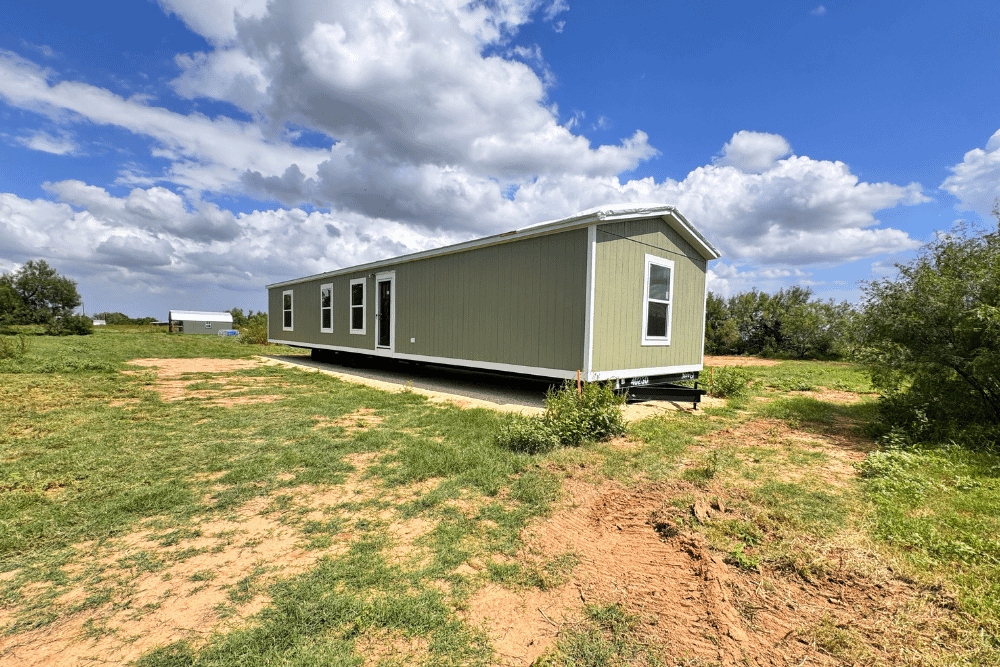
- Land Ownership: You purchase both the manufactured home and the land it sits on.
Both are legitimate ways to own a home, and Braustin Homes is here to help you navigate whichever option fits your situation best.
Leasing Land: The Community Living Model
For many homebuyers, the land-lease model offers an accessible entry point into homeownership without the high barrier of a land purchase.
Benefits of Leasing Land
- Lower Upfront Costs: No land purchase is required, which significantly reduces the initial investment. This can mean the difference between buying now or waiting years to save.
- Predictable Amenities Included: Many lot rents include water, sewer, trash, and lawn care. You may also gain access to shared amenities like pools or clubhouses.
- Simplified Maintenance: The community handles common area upkeep and land maintenance like mowing.
- Financing May Be Easier: A lower total loan amount often means smaller down payment requirements.
Considerations with Land Lease Communities
- Rising Lot Rent: Monthly rent can increase over time, and you have less control over this expense than a fixed mortgage.
- Community Rules: You must follow HOA-style rules regarding pets, vehicles, and exterior modifications.
- No Land Equity: You build equity in the home but not the land; the land’s appreciation benefits the community owner.
- Potential Financing Complexity: Some lenders treat these as personal property (chattel) rather than real estate, which may result in higher interest rates.
Owning Land: The Private Property Model
Buying land alongside your home is often viewed as a long-term wealth-building strategy.
Benefits of Owning Your Land
- Building Equity and Wealth: Land is an appreciating asset that builds wealth over time, allowing you to own a complete package of home and land.
- Complete Control and Freedom: Make modifications without landlord approval and enjoy true autonomy over your property.
- Fixed Housing Costs: A traditional mortgage provides predictable payments without the risk of lot rent increases .
- Better Financing Terms: Land-owned homes qualify for conventional mortgages with typically lower interest rates and longer terms.
- Tax Benefits: You may qualify for mortgage interest deductions and Texas homestead exemptions.
Considerations with Land Ownership
- Higher Upfront Investment: Requires buying land in addition to the home, leading to a larger down payment.
- Land Preparation Costs: You are responsible for site work, permits, foundations, and utilities, which can add $10,000–$30,000+ to the project.
- Full Maintenance Responsibility: You handle all property upkeep, including mowing and landscaping.
Cost Comparison Breakdown
| Category | Land Lease Community | Land Ownership |
|---|---|---|
| Home Purchase | $75,000 – $150,000 | $75,000 – $150,000 |
| Land Purchase/Prep | $0 | $30,000 – $110,000+ |
| Down Payment | $7,500 – $30,000 | $15,000 – $50,000+ |
| Monthly Payment | $900 – $1,500 (inc. rent) | $800 – $1,400 (mortgage/tax) |
Note: These are illustrative examples based on typical Texas markets; costs vary by location and land condition. For more details, visit our Financing Options page.
Common Questions About Leasing vs. Owning Land
Q: Can I eventually buy the land in a land-lease community?
A: Rarely. Most communities do not offer purchase options, so it is best to start with land ownership if that is your goal.
Q: Is it harder to get financing for a manufactured home on leased land?
A: It can be. Lenders may offer different terms for land-lease homes, so work with experts in manufactured housing.
Q: Will my home appreciate in value without owning the land?
A: Well-maintained homes can appreciate, but land ownership typically provides much stronger appreciation.
Q: What happens if the land-lease community is sold or closes?
A: Lease agreements typically offer some protections, but this remains a risk to consider.
For more info, visit our FAQ page.
Both leasing and owning land are valid paths to homeownership, each with distinct advantages for different families. Whether you prioritize lower monthly costs or long-term asset growth, the right choice is the one that fits your strategy.
Ready to explore your options? Contact Braustin Homes today to schedule a consultation with our housing experts who’ll help you navigate every step.
About the Author
