


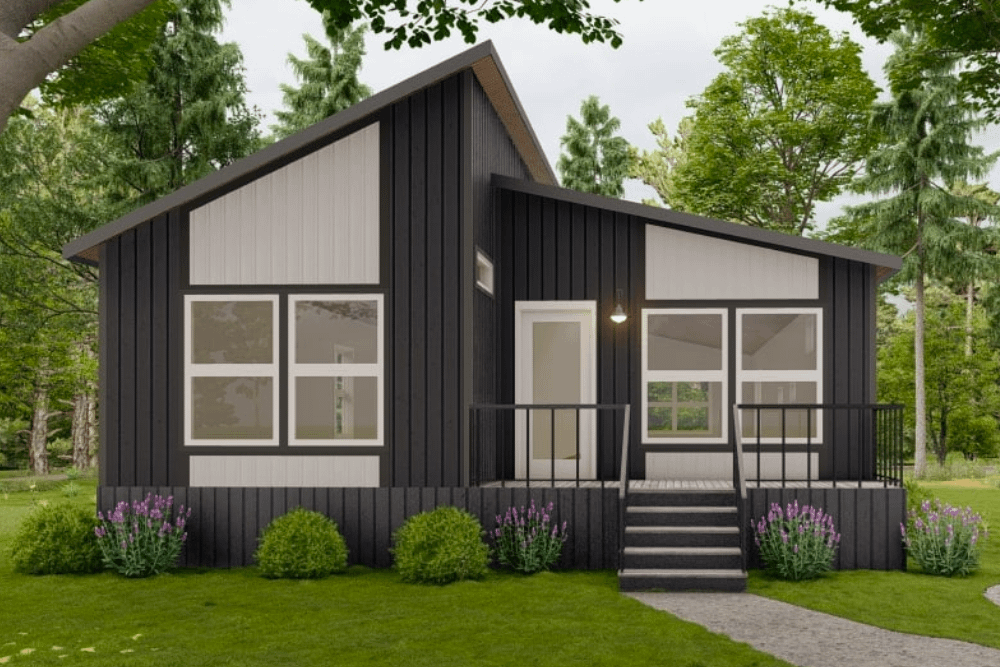
One of the most frequent questions families ask when considering a factory-built house is whether it is a “real” long-term investment. There is a common concern that choosing a manufactured or modular floor plan means sacrificing longevity for affordability. However, when you look at the quality craftsmanship going into modern builds, it becomes clear that these homes are designed to be a lasting legacy for your family.
The truth is that modern modular and manufactured homes are not the “mobile homes” of decades past. By understanding how long do mobile homes last in the modern era, you can move from skepticism to total confidence in your housing choice.
Ready to see the durability for yourself? Explore our available homes to find your permanent residence.
Understanding Modern Modular and Manufactured Homes
To understand the life expectancy of a mobile home, we first have to clarify the terminology:
- Manufactured Homes: These are built to federal HUD code standards, which were strictly established post-1976 to ensure safety and durability.
- Modular Homes: These are built in sections in a factory but are constructed to meet the exact same local building codes as a traditional site-built home.
- Why Perceptions Have Changed: Older “mobile homes” built before 1976 lacked these rigorous standards; today’s construction focuses on quality, permanent structures.
The Life Expectancy of Modular Homes: What to Expect
Modern modular and manufactured homes are designed for the long haul, often outlasting original expectations.
Average Lifespan: 50–100+ Years
Modern modular and manufactured homes typically last between 50 and 100+ years when they receive proper care. This range is virtually identical to the 70–100 year lifespan expected of a traditional site-built home. Many homes today exceed their original expected lifespan due to superior modern materials.
Factors That Influence How Long Your Home Lasts
- Quality of Construction & Materials: Factory-built precision and high-quality control protect materials from the elements during construction.
- Foundation Type: Choosing a permanent foundation significantly maximizes the home’s lifespan compared to temporary setups.
- Maintenance & Upkeep: Regular inspections of the roof, HVAC, and seals are essential to longevity.
- Climate & Environmental Factors: Texas heat, humidity, and wind zones require homes built for local conditions.
- Installation Quality: Working with licensed installers ensures the home is level and properly anchored.
Modular Homes vs. Site-Built Homes: How Do They Compare?
Homebuyers often ask: “Do modular homes last as long as stick built?”. The answer is a resounding yes. Modular homes are built to the same or even stricter standards than site-built homes. Because sections must be transported over highways, they are often reinforced with extra precision that a traditional builder might not use. The key difference in 2026 is the cost and timeline, not the quality or the lifespan of the structure.
Maintenance Tips to Maximize Your Home’s Lifespan
Proper maintenance can add decades to your home’s life. Here is how to keep your home in top shape:
- Roof Inspections: Conduct annual checks to replace damaged shingles and seal any gaps.
- Foundation Maintenance: Monitor for settling and check skirting to prevent moisture issues.
- Exterior Care: Plan to repaint every 10–15 years and check for rust or siding damage.
- HVAC Systems: Regular filter changes and professional duct inspections keep systems efficient.
- Moisture Control: Use proper ventilation and dehumidifiers in humid climates to prevent leaks or damage.
- Texas-Specific Tips: Protect against heat damage and water your foundation during droughts.
Common Questions About Modular Home Lifespan
Q: Will my modular home depreciate faster than a site-built home?
A: With a permanent foundation and proper maintenance, modular homes appreciate similarly to site-built homes. Location and upkeep matter more than construction type.
Q: Can a modular home last 100 years?
A: Yes. With exceptional maintenance and quality construction, modular homes can exceed 100 years.
Q: What’s the biggest factor that shortens a modular home’s lifespan?
A: Neglected maintenance, particularly moisture issues, foundation problems, and deferred repairs.
Q: Do manufactured homes built in the 1980s-90s last as long as newer ones?
A: Post-1976 HUD code homes are durable, but newer homes benefit from even better materials and factory techniques.
For additional information, visit the Braustin Homes FAQ page.
Choosing a modular or manufactured home is an investment in your family’s future. Modern HUD codes and factory precision ensure that your home is a safeguard for your investment and designed to stand the test of time.
Ready to explore your options? Contact Braustin Homes today to schedule a consultation with our housing experts who’ll help you navigate every step.
About the Author
