


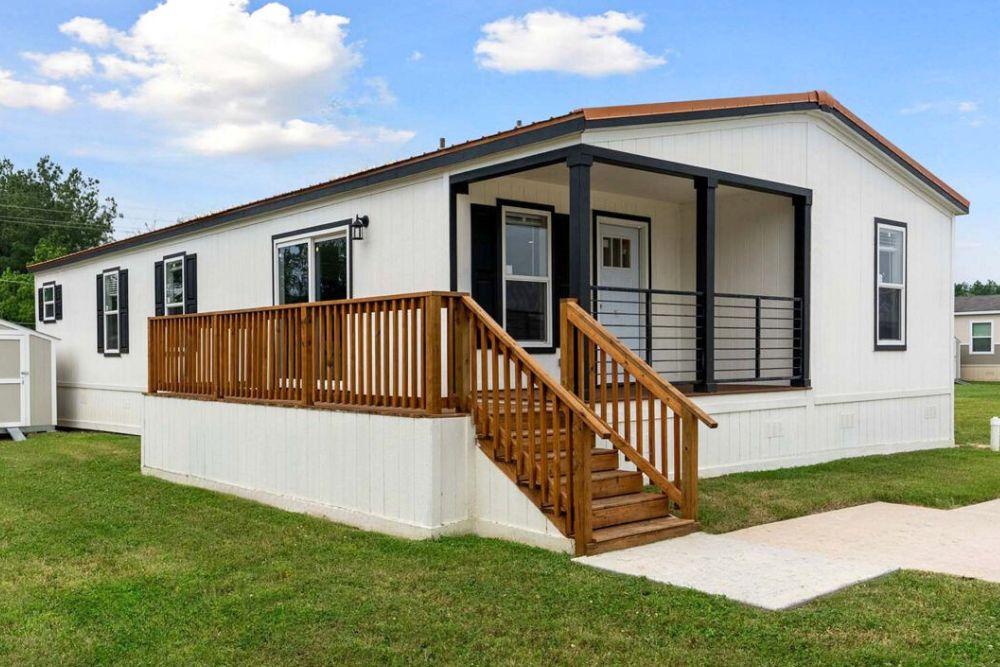
Choosing between a single wide and a double wide mobile home is one of the most important decisions you’ll make on your path to homeownership. It’s not just about picking a floor plan—it’s about understanding how your budget, lifestyle, family needs, and property requirements all come together to shape your future.
Understanding Single Wide Mobile Homes
Single wide manufactured homes are built as one complete unit in the factory and transported to your property on a single trailer. These homes typically measure 14 to 18 feet wide and 42 to 80 feet long, offering between 600 and 1,300 square feet of living space.
Size and Layout Options
The beauty of a single wide home lies in its efficient use of space. At Braustin Homes, our single wide inventory ranges from compact 660-square-foot models perfect for individuals or couples, all the way up to spacious 1,400-square-foot layouts that can accommodate up to four bedrooms. For example, the TRU Homes Grand packs four bedrooms and two bathrooms into just 1,039 square feet through smart open-concept design.
Modern single wide homes feature thoughtful layouts that maximize every inch. Open floor plans connect the kitchen, living, and dining areas to create a sense of spaciousness that defies the home’s actual footprint. You’ll find features like kitchen islands, garden tubs in primary suites, and dedicated laundry rooms—luxuries that were once reserved for larger homes.
Cost Advantages of Single Wide Homes
The most compelling reason many buyers choose a single wide is affordability. Because the entire home is constructed and transported as one unit, you’ll save significantly on both the base price and installation costs.
- Lower Purchase Price: Single wide homes typically cost 10 to 25 percent less per square foot than comparable double wide models. At Braustin Homes, single wide prices start around $68,899 for smaller models, with larger layouts ranging up to approximately $126,499. This lower entry point makes homeownership accessible to first-time buyers, young families, and anyone looking to escape the rent trap.
- Reduced Installation Costs: Single wide installation is simpler and faster than double wide setup. You’ll need only one delivery truck and driver, a smaller foundation or base pad (typically costing $2,500 to $5,000 for caliche base pads in South Texas), and no trim-out process. Once the home is set up on its foundation and leveled—a process that takes 24 to 72 hours after delivery—you’re essentially ready to move in.
- Lower Long-Term Costs: Smaller homes mean lower utility bills, reduced maintenance expenses, and less time spent on cleaning and upkeep. For buyers embracing minimalism or downsizing, a single wide offers the perfect balance of affordability and functionality.
When a Single Wide Makes Sense
A single wide home is ideal if you’re a first-time buyer working with a tight budget, an empty nester looking to downsize, a single professional or couple without children, or someone with property in an area with minimum square footage restrictions that a single wide can meet.
Consider this option carefully if you value lower monthly payments and utility costs, prefer less home maintenance, or have found affordable land that’s suitable for a smaller foundation.
Understanding Double Wide Mobile Homes
Double wide manufactured homes consist of two separate sections built in the factory and joined together on-site to create one seamless home. These homes typically range from 28 to 36 feet wide and 52 to 80 feet long, providing 1,000 to 2,300 square feet of living space.
Size and Layout Flexibility
Double wide homes offer significantly more design flexibility than single wides. Because these homes are larger, floor plans can include features that simply aren’t possible in narrower homes: multiple living areas, spacious primary suites with walk-in closets and garden tubs, kitchen islands with ample seating, dedicated home offices or flex rooms, and three to five bedrooms with two to three full bathrooms.
The typical double wide at Braustin Homes starts around 1,000 square feet with three bedrooms and two bathrooms. As you move into the 1,500-square-foot range, you’ll find models with fourth bedrooms or flex spaces perfect for a home office, craft room, or media room. Our largest floor plans exceed 2,300 square feet and offer five bedrooms, dual living spaces, and kitchens designed for serious home cooks.
Understanding Double Wide Costs
While double wide homes cost more than single wides, they still deliver exceptional value compared to site-built homes.
Our double wide mobile homes start at $40,899 and every home has an instant delivery calculator to help you estimate installation costs based on the location of your individual home site.
Installation Costs: Double wide installation is more complex than single wide setup. You’ll need two delivery trucks and drivers to transport both halves of the home simultaneously. The foundation or base pad must be larger to accommodate the home’s footprint. After delivery, the setup crew levels both sections and places the home on permanent blocking—a process that typically takes one to three days.
The final critical step is trim-out, which usually occurs about three days after setup (though weather and scheduling can extend this to a week or more). During trim-out, crews seal the two halves together at the seams, finishing the interior and exterior with trim, paint, and flooring to create one cohesive home. You should not move any belongings into the home until the trim-out is complete.
Total Installation Investment: Expect total installation costs for a double wide—including delivery, setup, trim-out, foundation, and utility connections—to range from $10,000 to $30,000 or more, depending on your land’s condition and distance from utilities.
When a Double Wide Makes Sense
A double wide home is the right choice if you have a growing family that needs multiple bedrooms, you work from home and need dedicated office space, you frequently host family gatherings and need entertaining space, you want a home that feels similar to a traditional site-built house, or your local zoning requires minimum square footage that only a double wide can meet.
This option also makes sense if you’re willing to invest more upfront for long-term space and comfort, you have land that can accommodate a larger foundation, or you want the flexibility to add premium upgrades like Energy Star packages or Smart Panel siding.
Budget Considerations: Beyond the Sticker Price
When comparing single wide and double wide homes, look beyond the base price to understand your total investment.
Upfront Costs
- Land Preparation: Both home types require site preparation, but double wides need larger base pads and more extensive grading. Site preparation costs typically range from $2,000 to $5,000 for basic work, with more complex sites requiring $5,000 to $8,000 or more.
- Foundation: Single wides require smaller, less expensive foundations. A caliche base pad for a single wide typically costs $2,500 to $5,000 in South Texas, while double wide foundations range from $3,000 to $8,000. If you’re using FHA or VA financing, you’ll need concrete runners with permanent anchors, which cost $6,500 to $10,000 regardless of home size.
- Utility Connections: Water, electric, septic or sewer, and natural gas connections typically cost $2,000 to $10,000+ depending on distance to existing lines. This cost is similar for both single and double wides, though larger homes may require upgraded electrical service.
- Delivery and Setup: Single wide delivery and setup is straightforward and less expensive. Double wide delivery requires two trucks, and the trim-out process adds labor costs. Total delivery and installation labor for a double wide typically ranges from $3,000 to $7,000.
Long-Term Costs
- Utilities: Smaller single wide homes cost less to heat and cool. A 1,000-square-foot single wide will have noticeably lower monthly utility bills than a 1,800-square-foot double wide, especially in extreme Texas summers and winters.
- Maintenance: More square footage means more roof to maintain, more flooring to replace, and more exterior siding to repair. Single wide homes require less ongoing maintenance investment.
- Property Taxes and Insurance: Larger, more valuable homes mean higher property taxes and insurance premiums. Factor these ongoing costs into your decision.
Ready to Take the Next Step?
Choosing between a single wide and double wide mobile home depends on your budget, family size, lifestyle preferences, and property requirements.
At Braustin Homes, we’re here to guide you through every step of this journey without pressure or sales tactics. We’ll help you explore floor plans, understand your financing options, assess your property for zoning and site preparation needs, and coordinate delivery and installation.
Ready to explore your options? Browse our complete inventory of single wide homes and double wide homes, or contact our team at 210-510-0500 to schedule a visit to our San Antonio or Odessa locations. Your dream home is waiting—let’s find it together.
Frequently Asked Questions
What is the main difference between a single wide and a double wide mobile home?
Single wide homes are built as one complete unit measuring 14 to 18 feet wide and 600 to 1,300 square feet. Double wide homes consist of two sections joined together on-site, measuring 20 to 32 feet wide and 1,000 to 2,300 square feet. The key differences are size, layout flexibility, and installation complexity—single wides are simpler and less expensive to deliver and install, while double wides offer more space and design options.
How much does it cost to install a single wide versus a double wide?
Single wide installation is less expensive because it requires only one delivery truck and no trim-out process. Total installation costs (including delivery, setup, foundation, and utilities) typically range from $8,000 to $20,000. Double wide installation requires two trucks, a larger foundation, and a trim-out process to join the two halves, with total installation costs ranging from $10,000 to $30,000 or more depending on site conditions.
Can I put a single wide or double wide home on any property?
No. You must verify that your property is zoned for manufactured homes and doesn’t have deed restrictions or HOA rules prohibiting them. Some areas require minimum square footage that single wides cannot meet. Always check with your local zoning department and review any deed restrictions before purchasing land or ordering a home.
How long does it take to install each type of home?
Single wide homes can typically be moved into within a few days after delivery and funding, once setup (leveling and blocking) is complete—usually 24 to 72 hours. Double wide homes take longer because of the trim-out process, which occurs three to seven days after setup. The total timeline from delivery to move-in for a double wide is typically one to three weeks.
Are double wide homes more energy-efficient than single wides?
Not necessarily. Energy efficiency depends more on insulation quality, window type, and HVAC systems than on home size. However, smaller single wide homes cost less to heat and cool simply because there’s less space to condition. Both home types can be upgraded with Energy Star packages that include thermal windows, enhanced insulation, and programmable thermostats to maximize efficiency.
Can I finance a single wide home as easily as a double wide?
Yes, both single and double wide homes qualify for similar financing options, including conventional loans, FHA loans, and VA loans (for eligible veterans). However, some lenders have minimum loan amounts that very affordable single wides might not meet. Additionally, FHA and VA loans require concrete runner foundations instead of standard caliche base pads, which increases upfront costs regardless of home type. Contact Braustin Homes to discuss your financing options in detail.
About the Author
