


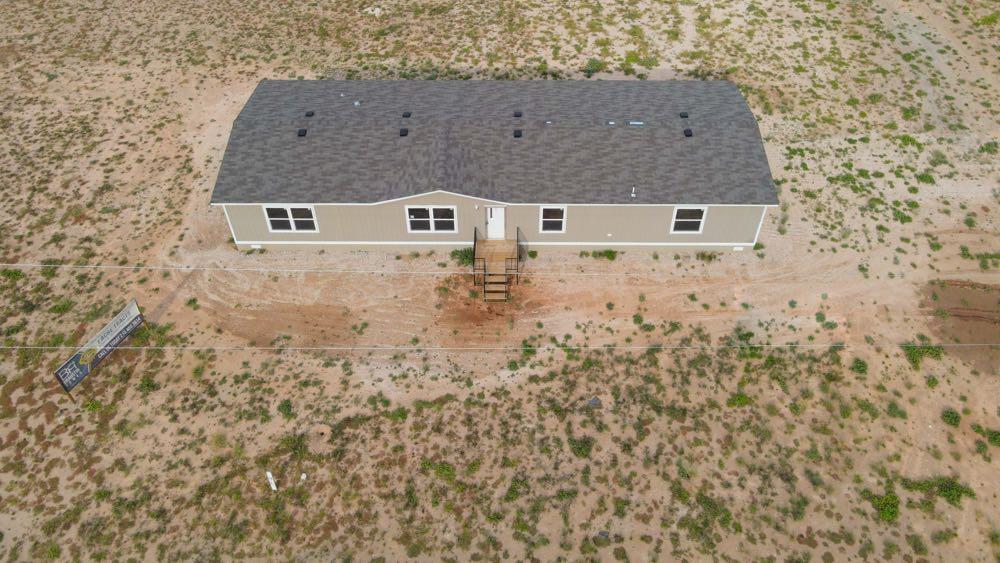
Yes, manufactured homes in Texas are subject to property taxes, but how they are taxed—and how much you’ll owe—depends entirely on whether your home is classified as real property or personal property, and whether you own the land underneath it. Paying cash versus financing does not change your tax obligation.
When comparing a manufactured home to renting or buying a traditional site-built home, ongoing costs like property taxes are crucial for evaluating what you’ll actually owe each year. For many Texas families, the good news is that manufactured homes often carry lower assessed values, making ongoing taxes predictable and manageable. At Braustin Homes, our “Always Upfront” philosophy means helping you understand the full picture of homeownership—including taxes—so there are no surprises after you move in.
In this guide, we’ll break down how Texas taxes manufactured homes, how classification works, what you can expect to pay, and the state exemptions available to significantly lower your bill.
Note: The following information serves as an educational guide, not tax or legal advice. You should always verify specific tax rates and classifications with your local County Appraisal District (CAD) and the Texas Department of Housing and Community Affairs (TDHCA).
Ready to explore your options? Feel free to contact our team today or explore our transparent online pricing.
Do Manufactured Homes Have Property Taxes? (Short Answer)
Yes. In Texas, manufactured homes are taxed every year. However, unlike traditional stick-built homes that are automatically taxed as real estate, manufactured homes begin as personal property and can be elected as real property under Texas law.
Whether your home sits on private land or in a community, local taxing entities (counties, cities, and school districts) assess taxes based on the home’s value and classification.
Real Property vs. Personal Property: Why Classification Matters
In Texas, every manufactured home starts as personal property and is issued a Statement of Ownership by the TDHCA. How your home is classified determines how it is taxed:
Taxed as Real Property
To be taxed as real property, you must own (or be purchasing under contract) the land the home sits on, permanently affix the home to a foundation, and file an election with the TDHCA to certify it as real estate.
- Your home and land are grouped together under one tax account.
- You receive a single, combined property tax bill.
- You qualify for the full Texas residence homestead exemption across both the home and the land.
Taxed as Personal Property
If you lease a lot in a community, place your home on rented land, or choose not to elect real property status, your home is classified as personal property.
- The home is taxed separately from the land underneath it.
- You receive a tax bill for the home structure itself, while the park or landowner receives the tax bill for the land.
- Assessed values are often lower, and you can still claim a homestead exemption on the home structure.
| Factor | Taxed as Real Property | Taxed as Personal Property |
| Land Ownership |
You own the land
|
You lease or rent the land
|
| Tax Bill Structure |
Combined single bill (Home + Land)
|
Separate bill for home structure only
|
| TDHCA Status |
Real Property Election on file
|
Personal Property Statement of Ownership
|
| Homestead Exemption |
Applies to both home & land
|
Applies to home structure
|
| Assessed Value |
Appraised similarly to site-built real estate
|
Typically lower assessed value
|
How Much Are Property Taxes on a Mobile Home?
Texas has no state property tax. Instead, your annual tax bill is calculated at the local level by combining the tax rates set by your local jurisdictions:
- County Government
- City Municipal Government (if inside city limits)
- Local School District (typically the largest portion)
- Special Districts (such as emergency services, water districts, or hospital districts)
How to Estimate Your Taxes
Your estimated bill is calculated using a simple formula:
Annual Property Tax = ((Assessed Value − Exemptions) ÷ 100) × Combined Local Tax Rate
Because manufactured homes are constructed in factory-controlled environments, their initial assessed market value is usually lower than that of a comparable site-built home. Over time, personal property assessments reflect schedule-based depreciation, which can help keep your tax bill significantly lower.
To get an exact tax rate estimate for your specific parcel or zip code, contact your local County Appraisal District (CAD).
Who Pays if You Rent a Lot or Live in a Community?
If you place your manufactured home in a community or rent a lot on private land, you pay property taxes on the home structure, while the landowner pays taxes on the land.
This is a standard, normal arrangement in Texas:
- Your Tax Bill: The county sends you a personal property tax bill for the value of your manufactured home structure.
- The Community Owner’s Tax Bill: The county bills the park owner for the commercial or residential parcel of land.
Note: Park owners typically factor their land property taxes into the monthly lot rent they charge. You can read more about how lot fees and leases work in our guide to Texas lot rent and community costs.
Texas Exemptions That Can Lower Your Bill
Texas offers several powerful property tax exemptions that substantially reduce your taxable value and lower your annual bill:
1. General Residence Homestead Exemption
The homestead exemption is the single best way to cut your tax bill. Under Proposition 13, Texas law provides a mandatory $140,000 school district homestead exemption for all qualifying primary residences.
-
Example: If your manufactured home is appraised at $180,000, subtracting the $140,000 school district homestead exemption leaves a taxable school value of just $40,000!
2. You Can Claim a Homestead Exemption on Leased Land
A common myth is that you cannot claim a homestead exemption if you rent your lot. In Texas, you can claim a homestead exemption on your manufactured home structure even if you do not own the land underneath it, as long as you own the home and occupy it as your primary residence on January 1st.
3. Senior, Disability, and Veteran Exemptions
- Over-65 or Disabled Homeowners: Receive an additional $60,000 school district exemption (combining with the general homestead exemption for a total $200,000 reduction in school taxable value). Furthermore, school district taxes are frozen at the amount you pay the year you turn 65.
- Disabled Veterans: Texas provides generous exemptions based on disability ratings, up to a 100% total exemption from all property taxes for qualifying 100% service-connected disabled veterans.
How to Apply for Exemptions
Filing for your homestead exemption is free and straightforward:
- Obtain Form 50-114 (Residence Homestead Exemption Application) from your local County Appraisal District website.
- Provide a copy of your TDHCA Statement of Ownership proving you own the home.
- Include a copy of your Texas Driver’s License or state ID showing the address matches the manufactured home’s physical location.
- Submit the form to your CAD by the April 30th deadline (late applications are accepted in many counties).
Manufactured vs. Site-Built: Is the Tax Bill Lower?
In most cases, yes—property taxes on a manufactured home are lower than on a comparable site-built home.
- Lower Initial Appraised Value: Factory construction efficiencies keep purchase prices lower, resulting in a lower initial assessed value on county tax rolls.
- Depreciation Schedules: Personal property classifications follow standard depreciation schedules, whereas site-built real estate appraisals often climb rapidly during market booms.
- Proportional Savings: Because school district homestead exemptions apply a flat dollar reduction (like $140,000 off), that exemption wipes out a much higher percentage of a manufactured home’s value compared to an expensive stick-built house.
The Braustin Homes Advantage
At Braustin Homes, we believe that understanding ongoing costs is just as important as knowing the purchase price of your home. Our Always Upfront Pricing commitment means we help Texas families calculate the complete picture—from delivery and setup to monthly financing and estimated property taxes.
With showrooms in South San Antonio and Odessa, our team understands Texas land rules, TDHCA Statement of Ownership filings, and local county tax processes. We are here to ensure your journey to homeownership is clear, affordable, and completely transparent.
Frequently Asked Questions
Q. Do manufactured homes have property taxes in Texas?
A. Yes. In Texas, manufactured homes are taxed based on whether they are classified as real property (affixed to land you own) or personal property (on leased land or un-affixed). Details should always be verified with your local County Appraisal District.
Q. How much are property taxes on a mobile home?
A. Your tax bill depends on the home’s assessed value and local tax rates set by your county, city, and school district. Because manufactured homes generally have lower assessed values than stick-built homes, total annual tax bills are often substantially lower.
Q. Do you pay property taxes if you rent a lot in a mobile home park?
A. Yes. You pay personal property taxes on the manufactured home structure itself, while the park owner pays taxes on the land.
Q. Can I get a homestead exemption on a manufactured home if I don’t own the land?
A. Yes! Texas law allows you to claim a residence homestead exemption on your manufactured home structure even if you lease the land, provided you own the home and it is your primary residence.
Q. Are property taxes lower on a manufactured home than a site-built home?
A. Often, yes. Lower upfront costs and personal property depreciation schedules generally result in lower assessed values and smaller tax bills compared to traditional site-built homes.
Conclusion
Manufactured homes in Texas are subject to property taxes, but understanding how your home is classified and taking advantage of state exemptions like the $140,000 homestead exemption can keep your annual bill remarkably low. For many Texas families, a manufactured home offers a far more manageable tax bill, keeping the American Dream of homeownership truly affordable.
Want a clear picture of what owning a manufactured home in Texas really costs—taxes included? Talk with the Braustin Homes team today or explore our available homes online, and we’ll walk you through the numbers with no surprises!
About the Author
