


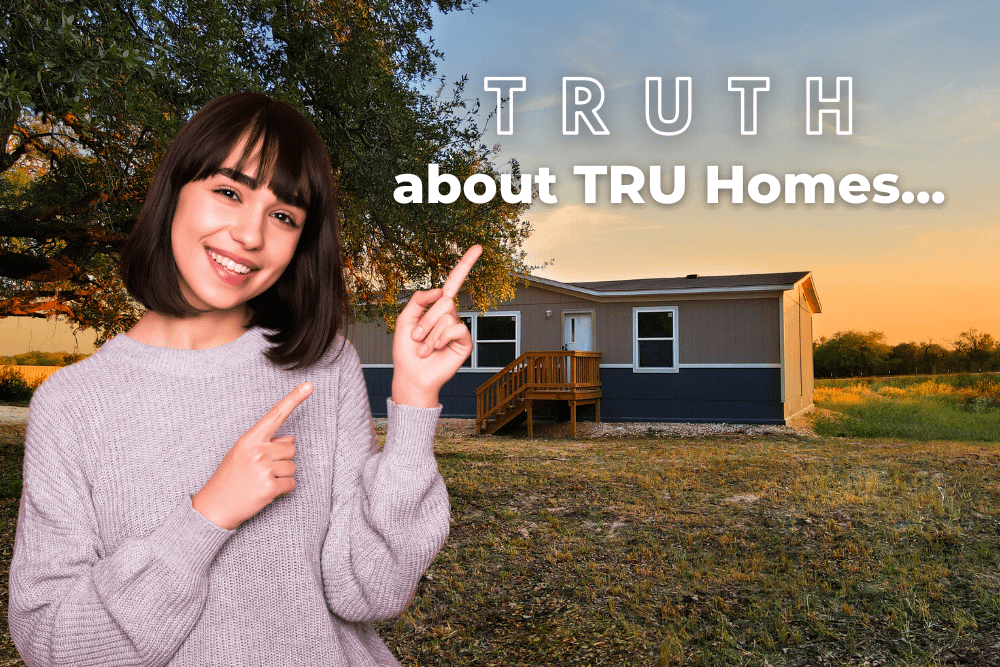
When you browse manufactured homes and notice TRU’s price tags—often thousands below comparable models—a natural question emerges: what’s the catch? The short answer: there isn’t one. But that simple response doesn’t address the legitimate concerns first-time homebuyers face when evaluating quality versus affordability. This guide examines TRU mobile homes through the lens of construction standards, manufacturing processes, and real-world value to help you determine whether they meet your needs.
Understanding the TRU Homes Value Proposition
TRU Homes operates as part of the Clayton manufactured housing family, but with a distinct mission: deliver entry-level homeownership without compromising structural integrity. The brand achieves its competitive pricing through streamlined production methods—factory-select colors, standardized options, and bulk material purchasing that reduces overhead without cutting corners on construction fundamentals.
This efficiency model means TRU homes lack granite countertops and tile backsplashes found in premium models. Instead, you receive durable linoleum flooring, laminate counters, and factory-standard finishes—surfaces that homeowners can upgrade later with weekend projects rather than financing into a 20-year mortgage.
Federal HUD Code: The Great Equalizer in Manufactured Housing
Here’s what many first-time buyers don’t realize: every manufactured home built after 1976 must comply with the federal HUD Code (24 CFR Part 3285)—a comprehensive set of construction and safety standards that governs structural design, fire resistance, wind load capacity, energy efficiency, and plumbing/electrical systems. This federal mandate means TRU homes meet the same baseline structural requirements as manufacturers charging $100,000 more for comparable square footage.
The HUD Code establishes minimum standards for:
- Structural integrity: Steel I-beam chassis construction, 16-inch on-center wall stud spacing, and engineered roof trusses
- Wind resistance: Homes rated for Wind Zone I (70 mph), Wind Zone II (100 mph), or Wind Zone III (110 mph) depending on installation location
- Energy performance: Minimum insulation R-values for floors, walls, and roofs
- Fire safety: Smoke detectors, fire-resistant materials, and egress window requirements
TRU homes incorporate these standards as baseline features, not premium upgrades.
TRU Construction Features: What You’re Actually Getting
Foundation and Floor System
TRU homes utilize solid steel I-beam chassis construction—the same foundation system found in homes costing twice as much. The floor decking features tongue-and-groove interlocking panels that create a level, structurally sound base resistant to flexing and settling. This isn’t proprietary technology; it’s industry-standard construction that ensures your floors won’t develop soft spots or squeaks over time.
Wall Construction and Insulation
Standard TRU wall construction includes:
- 16-inch on-center stud spacing: More studs than the 24-inch spacing found in some budget builds, providing superior structural support and insulation retention
- Standard insulation package: R-11 floor insulation, R-11 wall insulation, and R-30 roof insulation as baseline specifications
- Marriage line gasket: A critical seal where double-wide sections join, preventing air infiltration and moisture intrusion
Buyers in extreme climates can upgrade to enhanced insulation packages (R-22/R-13/R-33 or R-33/R-15/R-45) for improved energy efficiency, but the standard package already exceeds older manufactured homes built before modern HUD Code updates.
Moisture and Thermal Protection
TRU homes include vapor barriers beneath the floor system—a moisture-resistant membrane that prevents ground moisture from entering the home structure. This barrier serves multiple functions: reducing humidity levels inside the home, preventing mold and mildew growth, protecting insulation effectiveness, and creating a less hospitable environment for pests.
Plumbing lines receive insulation coverage to maintain consistent water temperatures and prevent freezing in cold climates—a feature often absent in older mobile homes.
Factory-Controlled Construction: The Hidden Quality Advantage
Unlike site-built homes exposed to weather during construction, TRU homes are built entirely in climate-controlled factory environments. This controlled setting delivers several quality advantages:
- No weather delays: Construction proceeds on schedule without rain, snow, or extreme temperatures affecting materials or workmanship
- Protected materials: Lumber, insulation, drywall, and other materials never sit exposed to moisture before installation
- Consistent quality control: Each construction phase undergoes inspection before proceeding to the next stage
- Precision assembly: Factory jigs and templates ensure walls, floors, and roofs meet exact specifications
This manufacturing precision often results in tighter construction tolerances than site-built homes, where weather conditions and varying contractor skill levels introduce more variables.
TRU Model Range: Finding the Right Size for Your Needs
Single-Wide Options
TRU’s single-wide inventory spans from compact starter homes to spacious four-bedroom layouts:
TRU Mini Buttercup (smallest single-wide): 408 square feet, 1 bedrooms, 1 bathroom, starting around $37,499. Ideal for singles, couples, or those needing a home office without financing excessive square footage.
TRU Origin Aspen (largest single-wide): 1,140 square feet, 3 or 4 bedrooms, 2 bathrooms, base price approximately $66,499. This floor plan demonstrates how intelligent design maximizes livability within a single-section footprint.
Double-Wide Options
For families needing more space, TRU’s double-wide models offer open-concept layouts with superior room-to-room flow:
TRU Origin Maple (smallest double-wide): 1,264 square feet, 3 bedrooms, 2 bathrooms, starting at $75,499. The open kitchen/living area creates a sense of spaciousness that belies the modest square footage.
TRU Origin Redwood (largest double-wide): 2,001 square feet, 5 bedrooms, 3 bathrooms, base price around $98,899. At under $50 per square foot before delivery and installation, this model represents exceptional value for growing families.
All TRU double-wide homes include standard features like dual-pane Low-E thermal windows, full kitchen appliance packages (including dishwasher), Rheem hybrid water heaters, recessed lighting, and rear sliding glass doors.
Energy Efficiency: Where TRU Homes Deliver Long-Term Value
While TRU homes may lack the Energy Star certification of premium Clayton models, they incorporate energy-efficient features that reduce monthly utility costs:
- Dual-pane thermal windows: Low-E coatings reduce heat transfer, keeping homes cooler in summer and warmer in winter
- Programmable thermostats: Smart temperature control reduces HVAC runtime when you’re away
- Hybrid water heaters: More efficient than standard electric models, reducing water heating costs by up to 50%
- Sealed construction: Factory-built homes typically have fewer air leaks than site-built construction
The most cost-effective energy upgrade available for TRU homes is the enhanced insulation package, which pays for itself through reduced heating and cooling costs within 3-5 years.
What You’re Not Getting with TRU Homes
Transparency matters when evaluating value. TRU homes prioritize structural soundness and functional design over aesthetic upgrades. You won’t find:
- Granite or quartz countertops (standard laminate instead)
- Tile backsplashes or flooring (linoleum throughout)
- Upgraded cabinet hardware or fixtures
- Premium appliance packages
- Extensive customization options during the build process
Many of these finishes can be upgraded post-purchase for a fraction of what premium manufacturers charge upfront. A $2,000 DIY kitchen renovation yields the same granite countertops that would cost $8,000 when financed into your home loan.
Comparing TRU to Other Manufactured Home Brands
Within Braustin Homes’ brand portfolio:
TRU vs. Clayton: Clayton homes emphasize energy efficiency, sustainable building practices, and mid-range pricing. They offer more customization options and premium finishes but cost 20-40% more than comparable TRU models.
TRU vs. Cavco: Cavco specializes in premium construction with extensive customization options. Their homes target buyers seeking higher-end finishes and are priced accordingly—often 50-70% above TRU’s entry-level models.
TRU occupies the essential entry-level position: delivering HUD Code-compliant construction at the industry’s most competitive price points.
Total Cost of Ownership: Beyond the Base Price
When evaluating TRU homes, consider the complete financial picture:
Base home price: $37,499–$98,899 depending on model and square footage
Delivery and setup: Typically $3,000–$8,000 depending on distance and site conditions (often included in promotional pricing)
Foundation/base pad: $2,500–$5,000 for caliche base pads in South Texas; more for pier-and-beam or slab foundations
Site preparation: $1,000–$5,000 for grading, utility connections, and driveway access
Skirting and finishing: $2,000–$4,000 for vinyl skirting and exterior trim
Total installed cost for a TRU home typically ranges from $55,000–$120,000 depending on model size and site requirements—still 30-50% less than comparable site-built construction.
Financing Accessibility: Why TRU Homes Open Doors
TRU’s affordability creates financing opportunities unavailable with higher-priced homes. With manufactured home loans, buyers can:
- Qualify with credit scores as low as 600 (some programs even lower)
- Secure financing with down payments as low as 3-5%
- Achieve monthly payments under $750 for smaller models
- Build equity instead of paying rent that increases annually
For families currently spending $1,200–$1,500 monthly on apartment rent, a TRU home purchase redirects that expense toward asset ownership while often reducing monthly housing costs.
The Verdict: When TRU Homes Make Sense
TRU mobile homes deliver legitimate value for specific buyer profiles:
First-time homebuyers escaping the rent cycle who need affordable entry into homeownership
Budget-conscious families prioritizing square footage and structural soundness over premium finishes
DIY enthusiasts comfortable upgrading finishes themselves over time
Empty nesters downsizing from larger homes who want quality construction without excess space
Land owners seeking to maximize land value with affordable housing
TRU homes may not suit buyers seeking turnkey luxury, extensive customization options, or the highest energy efficiency ratings available. For those priorities, Clayton or Cavco models better align with expectations—at correspondingly higher price points.
Making Your Decision
The question “Are TRU mobile homes any good?” depends entirely on your definition of “good.” If you’re measuring quality solely by granite countertops and premium appliances, TRU homes won’t meet that standard. But if you’re evaluating structural integrity, HUD Code compliance, factory-controlled construction quality, and value per square foot, TRU homes deliver exactly what they promise: affordable, well-built housing that meets federal safety standards.
The real differentiator isn’t construction quality—it’s finish level. TRU builds the same structural bones as premium manufacturers, then offers buyers the choice: pay $30,000 extra for factory-installed upgrades, or invest that money in your down payment and upgrade finishes yourself over time.
Ready to explore whether a TRU home fits your needs and budget? Browse our current TRU inventory or contact our housing consultants to discuss financing options and available models in your area.
Frequently Asked Questions
Q. Do TRU homes meet the same building codes as more expensive manufactured homes?
A. Yes. All manufactured homes built after 1976—regardless of price—must comply with the federal HUD Code (24 CFR Part 3285), which establishes comprehensive construction and safety standards. TRU homes meet the same structural, fire safety, wind resistance, and energy efficiency requirements as manufacturers charging significantly more. The price difference reflects finish quality and customization options, not structural integrity.
Q. How long do TRU mobile homes typically last?
A. With proper maintenance, modern manufactured homes built to HUD Code standards typically last 30-55 years or longer. TRU homes incorporate the same structural components (steel I-beams, engineered trusses, interlocking floor systems) as premium brands, giving them comparable longevity. Lifespan depends more on maintenance practices, climate exposure, and foundation quality than on the manufacturer’s price point.
Q. Can I upgrade finishes in a TRU home after purchase?
A. Absolutely. Many TRU homeowners choose this strategy to maximize affordability. Common post-purchase upgrades include replacing laminate countertops with granite or quartz ($2,000–$4,000), installing tile backsplashes ($500–$1,500), upgrading cabinet hardware and fixtures ($300–$800), and replacing linoleum with luxury vinyl plank flooring ($2,000–$5,000 for a full home). These DIY or contractor-installed upgrades cost 50-70% less than factory-installed options financed into your mortgage.
Q. Are TRU homes energy efficient enough for extreme climates?
A. TRU homes include standard insulation packages (R-11/R-11/R-30) suitable for moderate climates, but buyers in extreme temperature zones should consider the enhanced insulation upgrade (R-22/R-13/R-33 or R-33/R-15/R-45). The upgrade typically costs $2,000–$5,000 but reduces heating and cooling costs by 20-35% annually, paying for itself within 3-5 years. Combined with dual-pane Low-E windows and programmable thermostats, upgraded TRU homes perform well even in harsh climates.
Q. How does TRU’s warranty compare to other manufactured home brands?
A. TRU homes include a standard manufacturer’s warranty covering structural components and factory-installed appliances for one year, with longer coverage for specific structural elements. This warranty matches industry standards for entry-level manufactured homes. Extended warranty options are available through third-party providers for additional coverage. While premium brands like Clayton may offer slightly longer coverage periods, the fundamental warranty protection remains comparable across HUD Code-compliant manufacturers.
Q. What’s the resale value like for TRU homes compared to other brands?
A. Manufactured home resale values depend more on location, condition, and land ownership than brand name. TRU homes on owned land with proper foundations appreciate similarly to other HUD Code-compliant manufactured homes—typically 3-5% annually in stable markets. The key factors affecting resale value include permanent foundation installation, land ownership versus lot rental, home condition and maintenance history, local market demand, and upgrades made during ownership. TRU’s lower initial cost can actually improve your equity position faster than premium brands.
Q. Can TRU homes withstand severe weather like tornadoes or hurricanes?
A. TRU homes are engineered for three wind zones: Wind Zone I (70 mph winds), Wind Zone II (100 mph winds), and Wind Zone III (110 mph winds). Proper installation with permanent foundations and professional anchoring systems is critical for storm safety. When correctly installed, modern manufactured homes perform comparably to site-built construction in severe weather. Buyers in high-risk areas should specify the appropriate wind zone rating during purchase and ensure professional installation with certified tie-downs and foundation systems.
Q. Is financing harder to get for TRU homes compared to more expensive brands?
A. No. Lenders evaluate manufactured home loans based on the borrower’s creditworthiness, down payment, and whether the home meets HUD Code standards—not the manufacturer’s brand name. TRU’s lower price point actually improves loan approval odds because the debt-to-income ratio remains more favorable. Many buyers qualify for TRU homes who couldn’t afford monthly payments on premium brands. Financing options include FHA loans (3.5% down), VA loans for veterans (0% down), conventional mortgages, and chattel loans for homes without land.
About the Author
