


If you’re researching manufactured homes, you’ve probably heard mixed opinions about energy efficiency—some outdated, some accurate. The truth? Today’s manufactured homes are among the most energy-efficient housing options available, often outperforming older site-built homes in energy costs and comfort.
Living in a mobile home used to mean having the same or higher electric and gas bills as a traditional site-built home. However, thanks to advancements in technology and manufacturing processes, the energy efficiency of mobile homes has improved!
Why Modern Manufactured Homes Are Built for Efficiency
The transformation of manufactured home energy efficiency starts at the factory level. Since 1976, all manufactured homes must comply with the U.S. Department of Housing and Urban Development (HUD) Code—a comprehensive set of federal construction and safety standards that has been regularly updated to include increasingly strict energy requirements.
Unlike site-built homes that are constructed outdoors and exposed to weather during the building process, manufactured homes are built in climate-controlled factory environments. This controlled setting allows for precision construction with tighter seals and less air leakage—one of the biggest culprits behind high energy bills in any home. Factory construction means every joint, seam, and connection is assembled under optimal conditions, resulting in a more airtight building envelope than many traditionally built homes can achieve.
What’s more, all manufacturers—whether building entry-level or premium homes—must meet the same baseline HUD standards.
For homebuyers exploring affordable housing options, this standardization is good news: you’re getting energy-conscious construction regardless of your budget.
Energy-Efficient Features That Come Standard
Modern manufactured homes are equipped with features specifically designed to reduce energy consumption and lower your monthly costs.
High-Performance Insulation and Windows
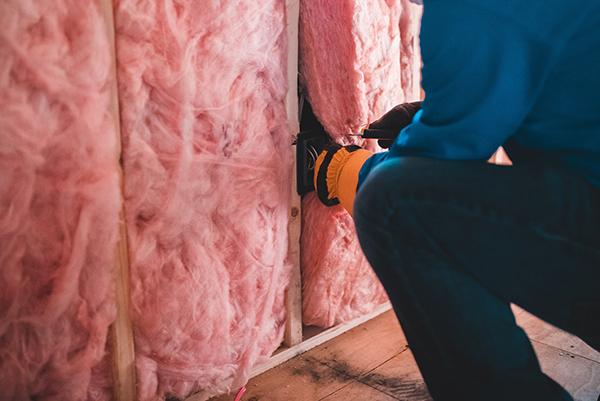
Energy Star-rated insulation is now standard in many manufactured homes, working in tandem with dual-pane Low-E thermal windows to create a thermal barrier that keeps conditioned air inside. These windows reduce heat transfer, meaning your home stays cooler in summer and warmer in winter without overworking your HVAC system.
The insulation isn’t an afterthought—it’s engineered into the floors, walls, and roof during factory construction, ensuring comprehensive coverage without the gaps or compression that can occur with field-installed insulation.
Smart HVAC and Water Heating Systems
Today’s homes feature programmable and smart thermostats—like the Ecobee models included in many Clayton manufactured homes—that allow you to optimize your heating and cooling schedules automatically.
Hybrid water heaters, such as the Rheem 40-gallon electric models standard in TRU Homes, use heat pump technology to dramatically reduce water heating costs compared to traditional electric resistance models. When combined with a well-insulated home, these systems work less to maintain comfort, translating to measurable savings on your utility bills.
Energy Star Appliances and LED Lighting
Many manufactured homes come move-in ready with Energy Star-certified appliances: refrigerators, dishwashers, ranges, and more—that use significantly less electricity than standard models. LED recessed lighting throughout the home further reduces energy consumption while providing better illumination than older incandescent or CFL bulbs.
These aren’t expensive add-ons; they’re increasingly standard features that manufacturers include because they know energy efficiency matters to buyers.
How Manufactured Homes Compare to Site-Built Homes
When evaluating energy efficiency, the comparison that matters most is between a modern manufactured home and an older site-built home, because that’s the realistic choice many buyers face.
A new manufactured home built to current HUD standards will typically outperform a site-built home constructed 10, 20, or 30 years ago. Older homes often have inadequate insulation, single-pane windows, outdated HVAC systems, and air leaks throughout the structure. Upgrading these systems in an existing home can cost tens of thousands of dollars.
By contrast, a new manufactured home delivers modern energy performance at a fraction of the cost. While the newest site-built homes built to current building codes may match or slightly exceed manufactured home efficiency, the price difference is substantial—manufactured homes cost approximately $40-$80 per square foot installed, compared to $100-$200+ per square foot for site-built construction.
The construction quality between the two is also more comparable than many realize. All manufacturers must build to the same federal HUD code standards, which ensure strength, durability, fire resistance, energy efficiency, and quality. The difference isn’t in the bones of the home—it’s in the outdated stigma that refuses to acknowledge how far the industry has come.
Protecting Your Investment: Skirting, Maintenance, and Upgrades
Energy efficiency doesn’t end when your home is delivered. Proper installation and maintenance play crucial roles in keeping your energy costs low.
The Critical Role of Skirting
Mobile home skirting is a key component of your home’s energy efficiency strategy. Quality skirting creates a barrier that protects your home’s underbelly from wind, moisture, and temperature extremes, effectively insulating the crawlspace and preventing cold air from infiltrating through the floor.
Proper skirting ventilation is equally important. Following the 1:150 ratio (one square foot of ventilation for every 150 square feet of living space) ensures adequate airflow to prevent moisture buildup and mold while maintaining the insulation benefits. Including access doors in your skirting design allows you to service plumbing and other components without compromising the thermal barrier.
Simple Upgrades That Make a Difference
Even if you own an older manufactured home, you can significantly improve energy efficiency with targeted upgrades:
- Window film and exterior shading reduce solar heat gain in summer, lowering air conditioning costs
- Crawlspace moisture control prevents humidity issues that can compromise insulation effectiveness
- Upgraded insulation in the attic or underbelly provides immediate comfort improvements
- Seal air leaks around windows, doors, and penetrations to prevent conditioned air from escaping
These improvements don’t require a complete renovation—many can be accomplished for a few hundred dollars and deliver noticeable results.
Real-World Savings: What You Can Expect
While exact savings depend on your home size, local climate, utility rates, and usage habits, the energy-efficient features in modern manufactured homes deliver tangible financial benefits.
The combination of quality insulation, efficient HVAC systems, Energy Star appliances, and LED lighting can reduce heating and cooling costs substantially compared to older homes. Many manufacturers design their homes specifically to minimize utility expenses, knowing that lower monthly costs make homeownership more accessible.
For Texas homeowners, where cooling costs can dominate summer utility bills, the thermal windows, smart thermostats, and quality insulation standard in today’s manufactured homes provide year-round comfort without constant thermostat adjustments or sky-high bills.
Choosing the Right Energy-Efficient Home
At Braustin Homes, we work with industry-leading manufacturers who prioritize energy efficiency across their product lines. TRU Homes offers exceptional value with standard features like dual-pane Low-E windows, hybrid water heaters, and smart thermostats—all at price points that make homeownership accessible to first-time buyers.
Clayton Homes leads the industry in sustainability and energy efficiency, earning recognition from the EPA with their 2025 Energy Star Manufactured Housing Builders Market Leader Award. Their commitment to reducing environmental impact and lowering homeowner costs sets the standard for the industry.
Whether you’re interested in a compact single-wide home or a spacious double-wide layout, energy efficiency is built into every model we offer.
Take the Next Step Toward Energy-Efficient Homeownership
The question isn’t whether manufactured homes can be energy-efficient—it’s whether you’re ready to take advantage of the modern construction standards, factory precision, and built-in efficiency features that make these homes an intelligent choice for budget-conscious buyers.
If you’re ready to explore how much you could save with an energy-efficient manufactured home, schedule a free consultation with our team at Braustin Homes. We’ll walk you through your options, answer your questions, and help you find a home that fits both your lifestyle and your budget.
Frequently Asked Questions
Are manufactured homes more energy-efficient than site-built homes?
Modern manufactured homes often match or exceed the energy efficiency of older site-built homes thanks to factory precision construction, improved insulation standards, and Energy Star appliances. While the newest site-built homes may have comparable efficiency, manufactured homes deliver these benefits at a significantly lower cost—typically 50-60% less than traditional construction.
What specific features make manufactured homes energy-efficient?
Today’s manufactured homes include dual-pane Low-E thermal windows, Energy Star-rated insulation in floors, walls, and ceilings, programmable or smart thermostats, hybrid water heaters, Energy Star appliances, and LED lighting as standard or common features. The controlled factory environment also ensures tighter construction with fewer air leaks than many site-built homes.
How much can I save on utilities in a manufactured home?
Savings vary based on home size, local climate, utility rates, and usage patterns, but the energy-efficient features in modern manufactured homes can substantially reduce heating and cooling costs compared to older homes. The combination of quality insulation, efficient HVAC systems, and Energy Star appliances is specifically designed to keep monthly utility expenses manageable.
Do manufactured homes qualify for energy efficiency rebates or tax credits?
Yes, many Energy Star-certified manufactured homes qualify for federal tax credits and local utility rebates. Check with your local utility provider and visit the IRS website for current federal incentive programs. These rebates can offset the cost of energy-efficient features and reduce your overall investment.
Can I improve the energy efficiency of an older manufactured home?
Absolutely. Simple upgrades like adding window film, installing exterior shading, improving crawlspace moisture control, sealing air leaks, and upgrading insulation can significantly improve comfort and reduce energy costs in older homes. Many of these improvements are affordable DIY projects or can be completed by professionals for a modest investment.
Is skirting important for energy efficiency?
Yes, mobile home skirting is critical for energy efficiency. It creates a barrier that protects your home’s underbelly from wind and temperature extremes, effectively insulating the crawlspace and preventing drafts through the floor. Proper skirting with adequate ventilation maintains this thermal barrier while preventing moisture and mold issues.
Which manufactured home brand is most energy-efficient?
Clayton Homes stands out as the industry leader in energy efficiency and sustainability, earning EPA recognition with their 2025 Energy Star award. However, all major manufacturers including TRU Homes, Cavco, and Meridian meet HUD Code energy standards and offer efficient features. The best choice depends on your budget, desired features, and specific floor plan needs. Our Housing Consultants can help you compare options based on your priorities.
About the Author
