


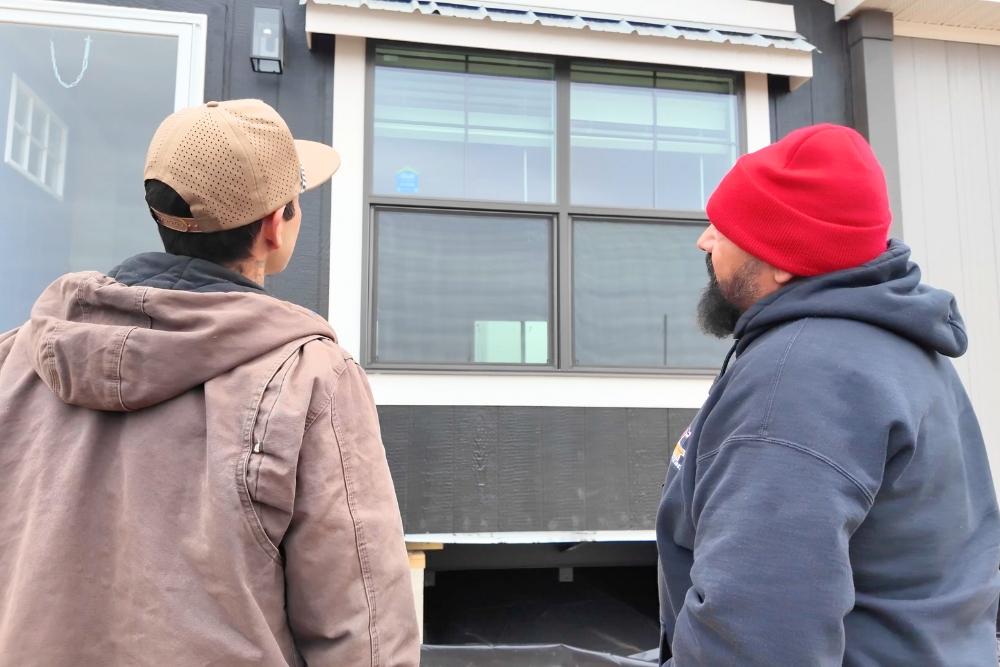
The winter advisory currently moving across the country is no small event. Meteorologists are tracking a massive system stretching from West Texas through the Midwest and into the Northeast. With major hubs like San Antonio, Dallas, Oklahoma City, and St. Louis bracing for sub-freezing temperatures and potential ice, manufactured homeowners need to act fast.
Because manufactured homes sit above the ground, they are more susceptible to “thermal bridging”—where cold air robs your home of heat from underneath. To help you navigate this storm, we’ve broken down exactly what to do before, during, and after the freeze. For a deeper dive into long-term prep, don’t forget to check out our comprehensive winterizing guide.
Phase 1: Before the Freeze (The 24-Hour Window)
Preparation is everything. If you are in the path of the storm, your goal is to seal your home’s “envelope” today.
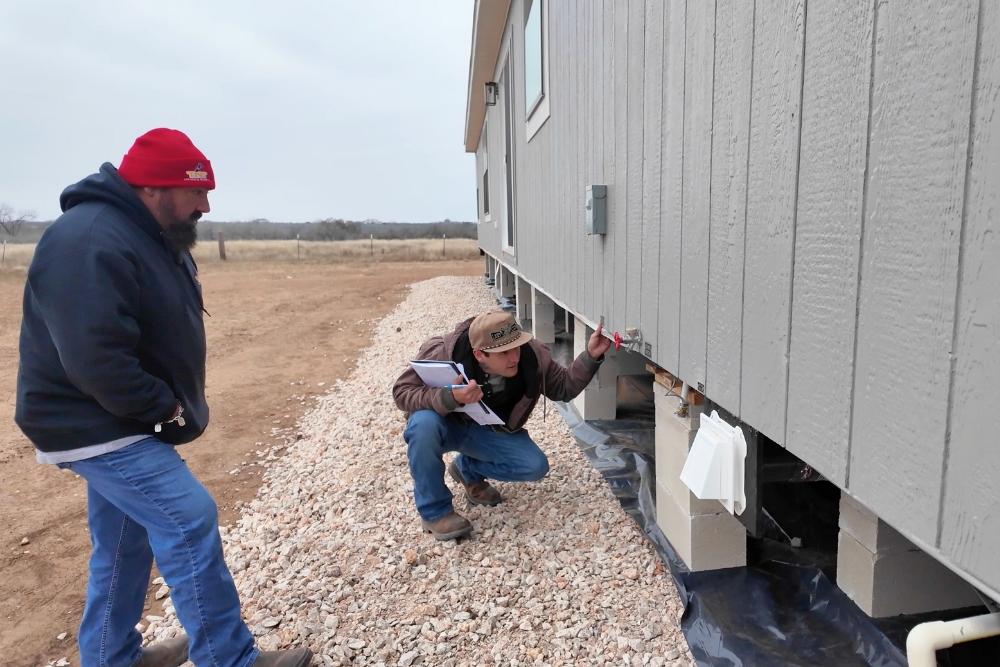
- Secure the Skirting: High winds are a major part of this advisory. Check for any loose skirting panels. Even a small gap can allow a “wind tunnel” effect to freeze your pipes in minutes.
- The Heat Tape Touch-Test: Don’t just check the plug. Go outside and feel the heat tape on your water riser. It should be warm. If it’s cold, head to the hardware store now before the roads become hazardous.
- Disconnect Hoses: This is the most common cause of burst pipes. Disconnect your garden hoses so water doesn’t trap and freeze back into the wall.
Phase 2: During the Freeze (Staying Safe & Warm)
Once the temperatures drop below 32°F, your focus shifts to monitoring and maintenance.
- Manage Your Faucets: If the temperature stays below freezing for more than 24 hours, keep a slow, steady drip of both hot and cold water in the sinks furthest from your water heater.
- Open Cabinet Doors: Keep the vanity and kitchen cabinet doors open to allow the warm air from your furnace to reach the plumbing inside the walls.
- Monitor the Furnace: Ensure your exhaust vents (on the roof or side of the home) are clear of ice or drifting snow. A blocked vent can cause carbon monoxide buildup or cause your furnace to shut down.
Phase 3: After the Freeze (The Thaw-Out)
The “danger zone” isn’t over just because the sun comes out. The thawing process is actually when most homeowners discover damage.
- Inspect for “Silent” Leaks: As things thaw, walk around your home and listen for the sound of running water or hissing under the house. Sometimes a pipe cracks during the freeze but doesn’t leak until the ice inside it melts.
- Check the Skirting (Again): Heavy snow or ice can sometimes warp or collapse skirting panels. Make sure everything is still upright to maintain that critical insulation.
- Slowly Return to Normal: If your pipes did freeze, never use an open flame to thaw them. Use a hair dryer or a space heater, and keep the faucet open so the melting water has somewhere to go.
Stay One Step Ahead of the Weather
This advisory is a timely reminder that our homes are our sanctuary. Taking these steps now protects your investment and your family’s comfort. For more tips on keeping your manufactured home in peak condition all year long, visit our full blog.
Stay safe, keep an eye on your local weather updates, and don’t hesitate to reach out to local professionals if you suspect a major leak during the thaw!
About the Author
